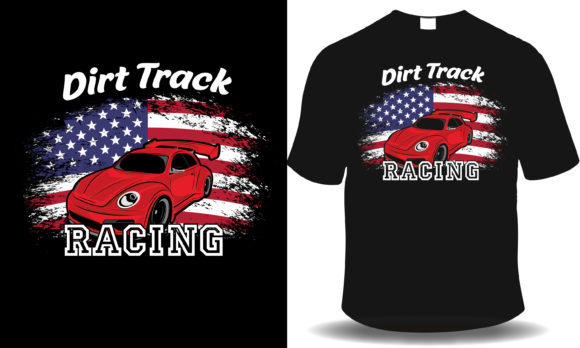
Dirt Track Racing
First Impressions: Grit, Motion, and That Instant “Yes” Feeling
When I opened the Dirt Track Racing files, my eye locked onto the bold silhouette — not overly detailed, but packed with kinetic energy. It’s got that unmistakable low-slung, forward-thrusting stance: tires kicking up dust, exhaust trailing, a sense of speed held just in check. No photorealism, no cluttered background — just clean, confident graphic language. As an embroidery designer who’s stitched hundreds of racing-themed pieces, I immediately knew this wasn’t a generic clipart knockoff. It feels intentional, balanced, and *stitchable*. The layout leaves breathing room around key elements — crucial when translating vector lines into satin and fill stitches.
A Real-World Test: Embroidering a Heavy-Duty Tote for a Local Motorsports Shop
Last week, I used Dirt Track Racing to embroider a 10 oz canvas tote for a small-town race shop’s summer giveaway. I chose a 4" hoop, placed the design centered on the front panel, and ran it on mid-weight cutaway stabilizer. The result? Crisp edges, zero thread nesting, and excellent fabric coverage — even where the design curves slightly over the tote’s gusset seam. Customers loved how bold it looked from across the room, yet it didn’t overwhelm the bag’s utilitarian feel. That tells me Dirt Track Racing works especially well for custom apparel and merchandise where clarity and impact matter more than micro-detail.
Where It Shines (and Where You’ll Want to Pause)
Dirt Track Racing thrives on structured, stable fabrics: denim jackets, cotton sweatshirts, twill caps, tea towels, and medium-weight aprons. Its strong outlines and open negative space translate beautifully into satin-stitched borders and smooth fill areas — no fussing with tiny running-stitch accents or fragile underlay. I’ve also stitched it successfully on baby onesies (using lightweight tear-away and reduced density), where parents appreciated the playful-but-not-cutesy vibe.
That said, tread carefully on stretchy knits like performance t-shirts or thin jersey — the design’s horizontal width can pull if stabilizer isn’t layered thoughtfully. On dark fabric, test thread contrast first: a charcoal gray satin stitch reads cleanly against black cotton, but pale yellow fill might disappear without a white underlay. And avoid placing it directly over seams or curved surfaces like cap crowns unless you’ve verified your machine’s tension holds up — those sharp tire edges need consistent stitch registration.
Design Assets That Support Real Workflow
The file package — EPS (4500×5400px), PNG (300dpi transparent), and SVG — is exactly what I want as a working designer. The EPS scales cleanly for large-format applique patches or boutique signage. The PNG drops seamlessly into printable mockups for Etsy listings or client approvals. And the SVG? A lifesaver when prepping digital previews for craft fair orders or small shop branding kits. This isn’t just a T-Shirt Designs download — it’s flexible design assets built for iteration, scaling, and cross-platform use.
What It Does for Your Handmade Product — Beyond the Stitch
Customers don’t buy embroidery files. They buy confidence, identity, and connection. When someone sees Dirt Track Racing on a custom embroidered pillow cover or a limited-run apron at a local market, they recognize authenticity — not mass production. That visual consistency builds trust, especially for Etsy sellers and creative entrepreneurs curating a cohesive brand. I’ve watched buyers linger longer on items featuring this design; its energy invites conversation. It adds perceived value without demanding premium pricing — a rare balance in handmade product development.
Practical Notes Every Embroidery Designer Should Check
- Always test on scrap fabric first — especially if using textured weaves or blended materials.
- Review stitch density in your embroidery software — the original vector suggests moderate fill, but adjust based on fabric weight and desired texture.
- Confirm hoop size compatibility — while the EPS scales freely, your physical hoop may limit maximum placement area.
- Inspect small details in black-and-white mockups — does the exhaust trail hold legibility at 2.5"? Does the tire tread read as pattern, not blur?
- Compare light vs. dark fabric backgrounds — some thread colors pop differently depending on base tone.
- Use appropriate stabilizer — cutaway for heavy fabrics, tear-away for lighter cottons, and fusible + tear-away for knits.
- Verify licensing before selling finished items or digital products — this is a Graphics asset intended for commercial embroidery use, but always double-check scope with the seller.
Final Thought: Not Just a Design — A Reliable Tool
Dirt Track Racing isn’t flashy, and it doesn’t try to be. It’s a dependable, well-proportioned machine embroidery design that solves real problems: communicating passion clearly, holding up under wear and washing, and fitting naturally into diverse handmade product categories — from holiday embroidery on flannel shirts to personalized gifts for race-day dads or vintage motorsport collectors. If you’re building a craft business, stocking a boutique, or stitching for clients who value authenticity over trend-chasing, this is one of those quiet, versatile design assets that earns its place in your working library — again and again.