Father’s Day Quotes SVG: Thank You Dad
A Designer’s First Look: Warm, Simple, and Ready for Stitching
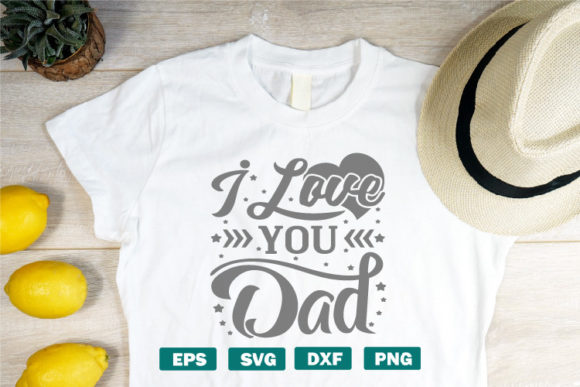
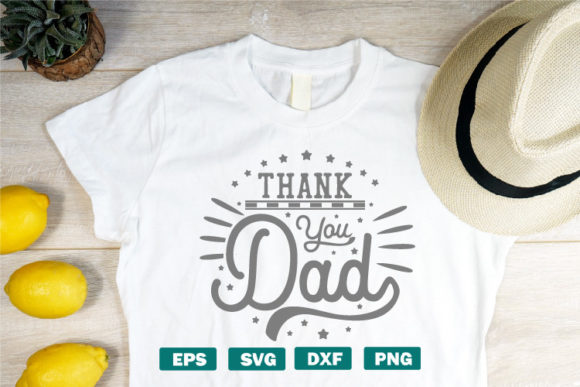
When I opened Father’s Day Quotes SVG Thank You Dad, I didn’t see flashy embellishments or overdesigned flourishes—I saw clarity. The layout is centered, with clean, medium-weight lettering and a gentle curve to the phrase that suggests warmth without saccharine sentimentality. It reads like something you’d stitch on a soft cotton apron or a linen tea towel—not a bold chest logo on a performance hoodie, but a quiet, heartfelt detail. That’s its strength: it leans into sincerity, not spectacle. As a designer who regularly selects embroidery files for client gift lines and boutique merchandise, I immediately pictured it on a natural canvas tote bag—minimalist, tactile, and deeply personal.
Where This Design Shines in Real Embroidery Projects
Father’s Day Quotes SVG Thank You Dad performs best where legibility and emotional resonance matter more than visual complexity. Think sweatshirt embroidery on midweight fleece—its open letter spacing avoids thread buildup, and the moderate height (roughly 3–4 inches wide at standard scaling) gives breathing room for fill stitch without crowding. It translates beautifully to baby embroidery on onesies or burp cloths: no tiny serifs or fragile connectors to snag during stitching or laundering. As an embroidered patch or pillow cover design, it holds up across varied fabric textures—especially when paired with light stabilizer and matte thread colors like charcoal, navy, or oatmeal.
For Etsy sellers and small shop owners, this is a reliable workhorse. It fits cleanly into printable mockups for digital product previews, supports consistent branding across holiday embroidery collections, and pairs well with complementary graphics like minimalist tools, coffee mugs, or silhouettes—without competing for attention. I’ve used similar quotes as part of curated Father’s Day bundles for craft fairs, and customers consistently respond to their understated authenticity. It doesn’t shout “gift”—it whispers “I see you,” which builds trust and elevates the handmade product beyond decoration into meaning.
Where Caution Is Needed—Not Flaws, Just Fit
This isn’t a one-size-fits-all machine embroidery design—and that’s okay. Its charm lies in its restraint, but that also means it needs thoughtful placement. On caps or curved surfaces, the slight arch can distort if hooped too tightly or scaled beyond 3.5 inches; test on scrap first. On stretchy fabric like jersey tees, use cutaway stabilizer beneath and topping on top to keep letter edges crisp—running stitch outlines help, but only if the file includes them (check your embroidery file before digitizing). Thin fabrics like voile or lightweight rayon need extra care: dense fill stitch areas may show through or pucker, so consider reducing stitch density slightly or switching to satin stitch for key letters.
Dark fabric backgrounds demand contrast testing—run a black-and-white mockup to confirm readability. And while it’s versatile across Crafts and Graphics categories, remember: this is a quote-based design, not an applique design. Don’t force it into layered garment contexts (like reversible jackets or double-knit polos) where alignment precision matters more than mood. It’s also less ideal for tiny hoop sizes under 4x4 inches unless scaled down significantly—small lettering loses impact and risks thread breakage.
Practical Notes Every Embroidery Designer Should Check
- Test on scrap fabric first—especially with textured weaves or blends common in tote bags and kitchen towels.
- Review stitch density before sending to your machine; high-density fills may require slower speeds on delicate items like baby embroidery.
- Confirm hoop size compatibility—this design works comfortably in 5x7 and larger hoops, but verify scaling if using smaller frames.
- Inspect small details—look for tight corners or overlapping paths that could cause thread nesting or skipped stitches.
- Try black-and-white mockups to assess contrast on both light and dark fabric backgrounds before finalizing your custom apparel line.
- Use proper stabilizer—light tear-away for stable cottons, cutaway for knits, and topping for napped or fuzzy surfaces like terry cloth towels.
- Check licensing before selling finished products or digital embroidery files—commercial use rights aren’t automatic, even for Crafts and Graphics assets.
Final Thought: A Quiet Anchor in Your Design Toolkit
Father’s Day Quotes SVG Thank You Dad won’t win awards for technical flash—but it earns respect for consistency, clarity, and quiet intention. In my own studio, it’s become a go-to for personalized gifts where emotional weight outweighs visual noise: a linen pillow cover for a new dad, a custom apron for a grill master, a simple embroidered patch sewn onto a denim jacket. It doesn’t distract from the person wearing it—it honors them. For Etsy sellers building seasonal collections, small shop owners curating holiday embroidery kits, or crafters stitching heartfelt gifts, this is less of a “design” and more of a trusted voice—one that says exactly what needs saying, cleanly and kindly. That kind of reliability? That’s the mark of a truly useful embroidery file.